
Blog
How to Prevent T-Shirts from Growing Mold
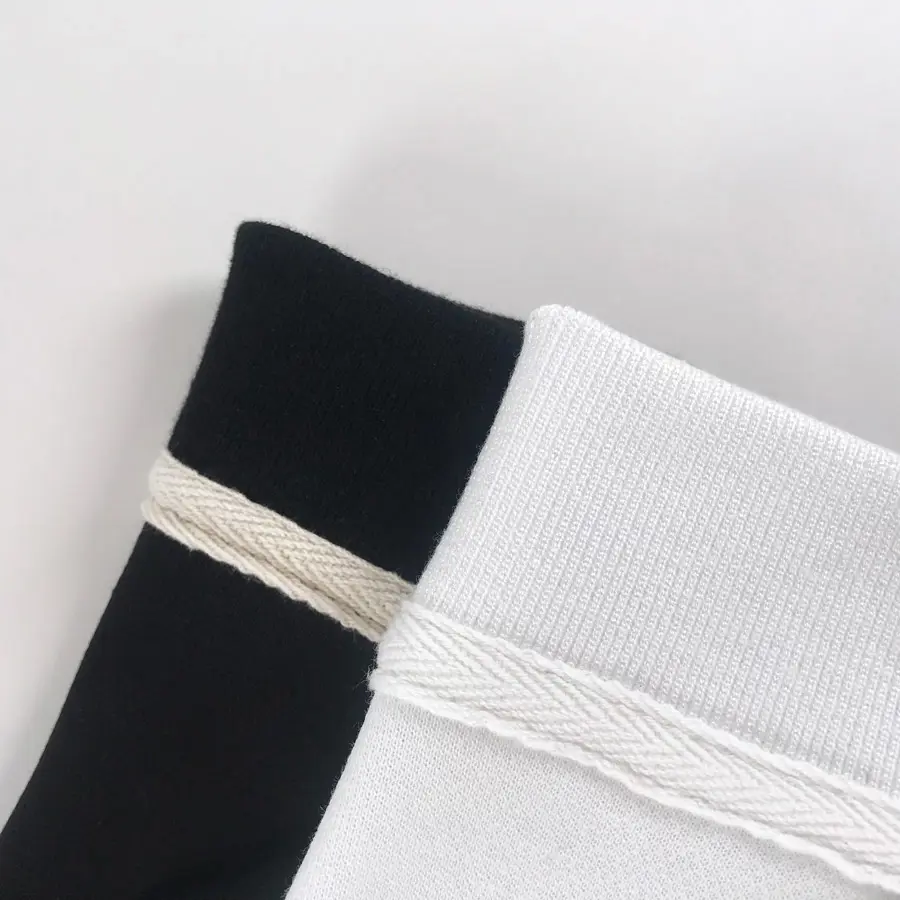
T-shirts are prone to mold—especially when they’ve gone a long time without being washed or have been stored in damp conditions. Over time, black spots begin to appear. A perfectly good garment covered in spots is hardly a pretty sight, so how do we remove these mold stains?
1. Lay a layer of newspaper under the T-shirt
When it rains in autumn, the humidity indoors—especially inside wardrobes—becomes quite heavy. So before putting T-shirts away, lay a layer of newspaper underneath (newspaper has strong moisture-absorbing power), then place the T-shirts on top to help prevent mold.
2. Use a moisture-absorbing box
A must-have for wardrobe dehumidification. These are common moisture-absorbing products on the market, generally containing calcium chloride granules as the main ingredient, with most also adding fragrance compounds—so they combine dehumidifying, fragrance, mold resistance, and odor removal in one. Moisture-absorbing boxes are mostly used for wardrobes and shoe cabinets. Simply place one inside the cabinet.
3. Use moisture-absorbing packs
Best suited for enclosed spaces. The principle is similar to moisture-absorbing boxes, but the contents are mainly water-absorbent resin, which turns into a jelly-like substance after absorbing water and doesn’t easily crumble into powder. Their range of use is also broader—besides clothing, they can help dehumidify leather goods, stamps, cameras, pianos, computers, audio-visual equipment, and more. Placed in an enclosed space, the dehumidifying effect is even better.
4. Keep T-shirts dry
To keep T-shirts from growing mold, the key is to start with the T-shirts themselves. So when putting T-shirts into the cabinet, they must be dried in the sun or spun dry in a spin dryer. Only then can you ensure the bacteria inside the T-shirts are killed off and won’t multiply inside the wardrobe.
5. Store by hanging
Try to store T-shirts by hanging them up. Hanging allows the T-shirts to ventilate as much as possible. Note that cotton T-shirts absorb water easily—you can seal them in waterproof bags made of film plastic or nylon before storing them in the wardrobe, along with a small amount of desiccant.
Take out that T-shirt with the deep-set mold spots today and give it a try
There are actually quite a few ways to wash moldy clothing, and some everyday household items are very effective at removing mold stains—milk, rice, white vinegar, and so on are all mold-removal tools. Below, we’ll introduce the cleaning methods one by one.
If a white T-shirt has grown mold, use the water left over from washing rice—soak the moldy white T-shirt in it for about a full day, then rinse the T-shirt, and you’ll get a decent mold-removal result.
Fill a pot with water, add some vinegar and milk—use pure milk, unsweetened milk. Soak the moldy T-shirt in the mixture of white vinegar and milk water, scrub it once, then wash it normally, and the moldy smell can be removed.
Rice water, lemon juice, milk, and the like are common in daily life, but finding them at short notice can be rather difficult. Here I recommend Omo All-Purpose Deep Clean Laundry Detergent with Comfort fragrance essence. Pour an appropriate amount of detergent onto the mold spots, let it sit for about 5 minutes, then scrub the mold spots vigorously until clean.
Change to a basin of water, pour in an appropriate amount of detergent and stir well, then soak the T-shirt in it and follow your usual T-shirt washing routine. This not only easily removes mold spots but also leaves the T-shirt filled with a lavender scent—say goodbye to mold spots and moldy smells directly.
If what’s moldy is a thick fleece jacket, the method is to take the jacket out into the sun and expose it, then gently brush off the mold spots with a soft, fine-bristled brush.
Precautions
For deep-cleaning liquid, I prefer the fresh light purple scent—the fragrance can also remove 99 stains.
Mulberry silk garments cannot be machine washed or wrung out; simply dry them indoors in the shade.
They say “one autumn rain, one cold snap.” During this season of changing seasons, autumn rain often makes the home even damper—especially those T-shirts that have been stored for a long time. You’ll find they’ve quietly “gone bad” inside the wardrobe, not only giving off various odors, but some T-shirts even starting to grow fuzz, making them unwearable. So how exactly should you prevent T-shirts at home from becoming damp?
Clever ways to remove mold stains from clothing
1. Plum rain season
Washed T-shirts are hard to dry and often carry an unpleasant moldy smell. If you wash the T-shirt again in water with a small amount of vinegar and milk added, the moldy smell can be removed. If stored T-shirts or bed sheets have yellowed areas, apply some milk, leave them in the sun for a few hours, then wash them the usual way.
2. If woolen fabric has mold marks
First hang it in a cool, ventilated place to dry, then dip a cotton ball in a small amount of gasoline and repeatedly wipe the mold marks.
3. Newly grown mold spots
First brush them with a brush, then remove them with alcohol. For old mold spots, apply ammonia water, let it sit for a while, then apply potassium permanganate solution, and finally soak in ammonium sulfite solution and rinse with water. For the above process, different fabrics still require different handling: be careful to prevent the mold spots from spreading.
4. White tank tops develop black spots after long wear
Take 2 liang of fresh ginger, mash it, put it in a pot with 1 jin of water and bring to a boil. After it cools slightly, pour it into a washbasin, soak the white tank top for ten minutes, then rub it repeatedly a few times, and the black spots can be eliminated.
5. T-shirts dried in the shade easily become damp and smell moldy
Simply iron them with an iron after shade-drying to make the T-shirts drier—then there will be no moldy smell or mold.
6. Cotton and linen
For moldy natural-color cloth, sun-dry it; for colored cloth, dry it in a ventilated place, and once the fabric is dry, brush off the mold spots.
7. Woolen fabric
Light mold spots can be gently brushed off after drying; if mold has developed due to oil or sweat stains, brush-wash with gasoline.
8. Silk
Light mold spots can be wiped with flannel. For heavier mold spots, spray ammonia solution and iron flat. Light mold spots on white silk can be gently wiped with alcohol.